
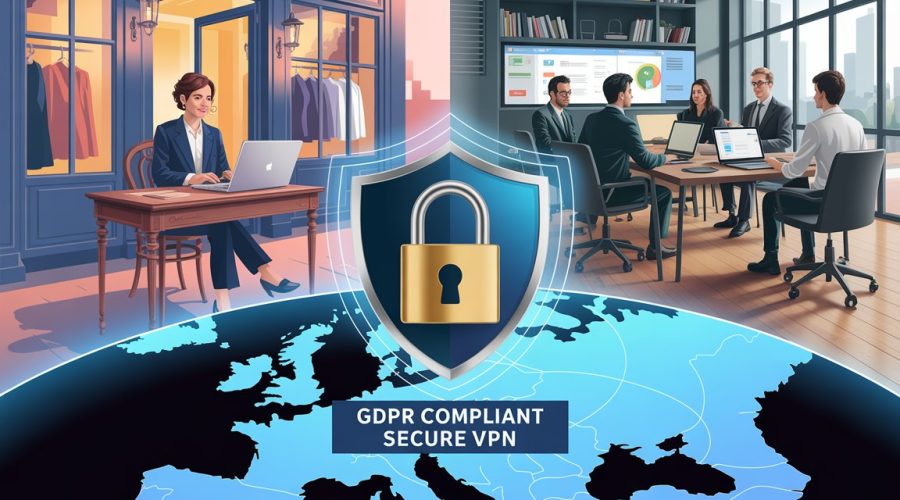
As Europe’s digital economy accelerates, small businesses are operating in a landscape shaped by strict regulations, borderless collaboration, and increasingly sophisticated cyber threats. In 2025, VPN services for European small businesses are no longer just IT add-ons; they are strategic necessities. With GDPR enforcement tightening and cyber incidents costing EU SMEs millions each year, secure connectivity has become critical for survival, trust, and growth.
From Parisian boutiques handling customer data to Warsaw-based startups managing remote teams, businesses face constant exposure on cloud platforms, public Wi-Fi, and cross-border systems. VPNs act as secure gateways, encrypting data, controlling access, and ensuring compliance in a highly regulated environment. But modern VPN solutions go far beyond basic encryption. Today’s business-focused VPNs offer zero-trust access, scalable user management, and advanced threat protection tailored to Europe’s unique legal and operational needs. This guide helps European small businesses navigate VPN compliance, features, and best practices, so security becomes an enabler, not a barrier, to growth.
Europe’s small businesses, from boutique shops in Paris to tech startups in Warsaw, are prime targets for cybercriminals due to limited resources. VPNs address this by creating encrypted tunnels that protect data from interception, especially important under GDPR, where data breaches can lead to fines up to 4% of global turnover. Remote workers, now comprising over 20% of the EU workforce, rely on VPNs to securely access corporate networks, preventing exposure on unsecured connections.
Furthermore, VPN services for European small businesses help navigate geo-blocks and censorship, allowing seamless operations across borders. For example, a Spanish retailer can access UK suppliers’ portals without restrictions, enhancing supply chain efficiency.
Modern VPNs offer more than basic encryption; they include sophisticated tools for business needs:
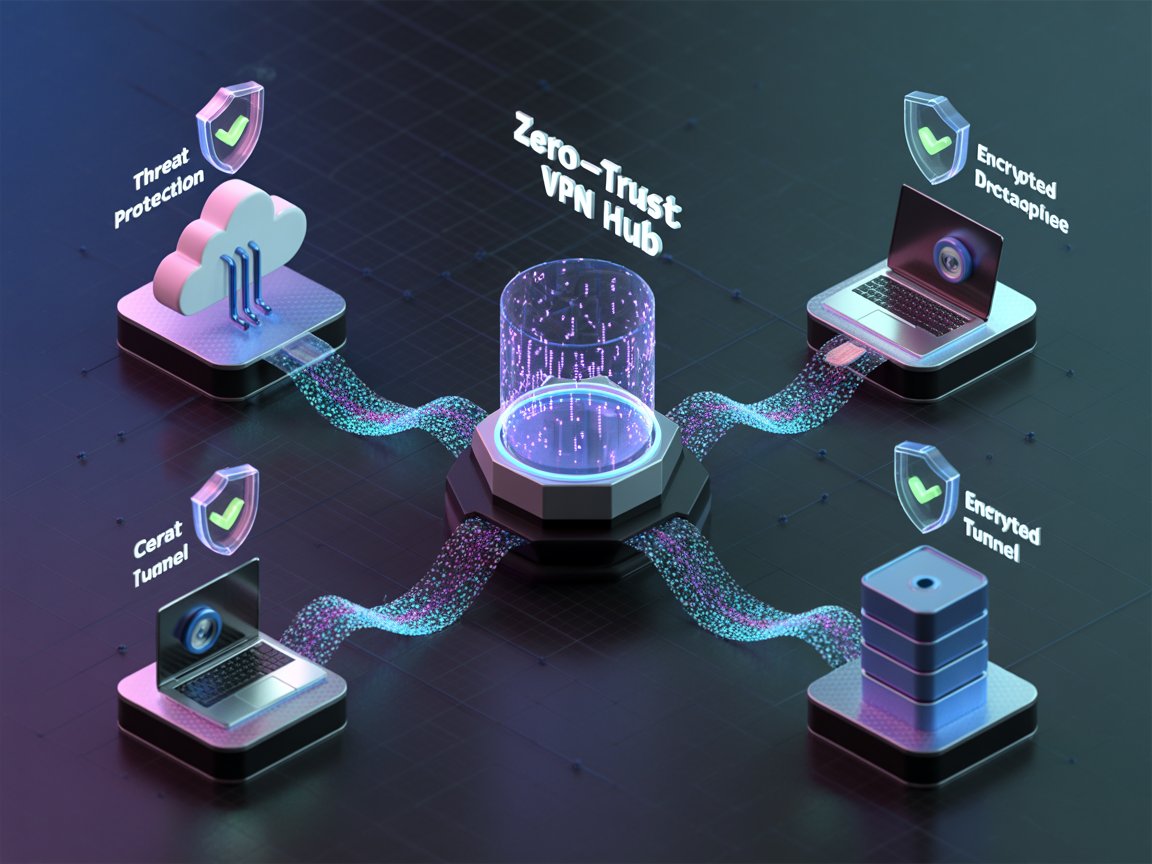
Focusing on European-origin or compliant options:
One challenge is jurisdiction; avoid Five Eyes countries if privacy is paramount, opting for Swiss or Swedish bases instead. Speed drops can be mitigated with protocols like WireGuard.
Ultimately, VPN services for European small businesses empower owners to thrive securely. By integrating these solutions, you not only comply with regulations but also build a resilient operation ready for future growth.
In an era defined by remote work, regulatory pressure, and evolving cyber risks, VPN services for European small businesses provide a foundation for secure and compliant operations. The right VPN solution not only protects sensitive data but also enables seamless collaboration across borders, supports GDPR obligations, and strengthens long-term resilience. By choosing providers aligned with European privacy standards, implementing best practices, and training teams effectively, small businesses can reduce risk without sacrificing performance. Ultimately, a well-deployed VPN empowers business owners to focus on innovation and expansion, confident that their digital infrastructure is protected, compliant, and future-ready.
Ans: No, VPNs are not mandatory, but they are highly recommended as a strong technical measure to protect personal data and demonstrate GDPR compliance.
Ans: Some speed reduction can occur, but modern protocols like WireGuard minimize impact while maintaining strong encryption and performance.
Ans: Yes, EU-based or GDPR-compliant providers are preferred as they align better with data protection laws and European data sovereignty requirements.